Starlink Internet Launch in Senegal: SpaceX Brings High-Speed Satellite Connectivity to West Africa


Starlink internet has officially arrived in Senegal, marking a significant expansion of SpaceX’s satellite internet service across West Africa. The launch brings high-speed, low-latency internet connectivity to Senegalese households and businesses, offering a transformative solution for regions that have historically struggled with limited internet access.
The introduction of Starlink internet in Senegal represents more than just a new service provider entering the market. It signals a fundamental shift in how remote and underserved communities can access reliable internet connectivity. For years, many areas across Senegal have faced challenges with inconsistent internet speeds, limited infrastructure, and high costs associated with traditional internet service providers.
SpaceX’s Starlink internet operates through a constellation of low Earth orbit satellites that beam internet signals directly to user terminals on the ground. Unlike traditional internet infrastructure that requires extensive cable networks and ground-based towers, Starlink internet uses satellite technology to bypass these limitations entirely.
This makes the service particularly valuable in Senegal, where geographical challenges and infrastructure gaps have previously hindered internet expansion. Users in Senegal can now access Starlink internet by ordering a complete kit through the official Starlink portal. The kit includes a satellite dish, mounting equipment, and a router that connects to the SpaceX satellite network orbiting overhead. Once installed, customers can enjoy internet speeds that rival or exceed traditional broadband connections, with significantly lower latency than previous satellite internet options.
The arrival of Starlink internet in Senegal brings numerous advantages for both residential and commercial users. Households in rural areas that previously had no viable internet options can now access high-speed connectivity for education, entertainment, and communication. Students can participate in online learning platforms, families can stay connected with relatives abroad, and remote workers can access global employment opportunities.
For businesses across Senegal, Starlink internet opens new possibilities for growth and innovation. Small enterprises in remote locations can now process digital payments, manage online inventories, and reach customers through e-commerce platforms. Larger commercial operations can implement cloud-based systems, conduct video conferences with international partners, and leverage data analytics to improve their operations.
The agricultural sector in Senegal stands to benefit significantly from Starlink internet access. Farmers can access real-time weather data, market prices, and modern farming techniques through online resources. This connectivity enables better decision-making and can lead to improved crop yields and income stability for agricultural communities.
Potential customers interested in subscribing to Starlink internet in Senegal can visit the official SpaceX website to check availability in their specific location and place orders. The service requires a one-time hardware purchase for the satellite dish and equipment, followed by a monthly subscription fee for ongoing internet access.
While Starlink internet represents a premium option compared to some existing providers, the value proposition lies in its reliability, speed, and availability in areas where alternatives are limited or nonexistent. For many Senegalese users, particularly those in remote regions, Starlink internet may be the first opportunity to access truly high-speed internet connectivity.
The launch of Starlink internet in Senegal aligns with broader continental efforts to address Africa’s digital divide. According to international telecommunications organizations, millions of people across Africa remain unconnected to the internet, limiting their access to educational resources, economic opportunities, and essential services.
Satellite internet technology like Starlink offers a scalable solution to this challenge. Rather than waiting years for traditional infrastructure development, communities can gain internet access within weeks of ordering and installing Starlink equipment. This accelerated deployment timeline makes satellite internet particularly attractive for addressing connectivity gaps across the African continent.
Several other African countries have already welcomed Starlink internet services, including Nigeria, Rwanda, Kenya, and Mozambique. Each expansion demonstrates SpaceX’s commitment to building global internet coverage and providing connectivity solutions where traditional providers face economic or logistical barriers.
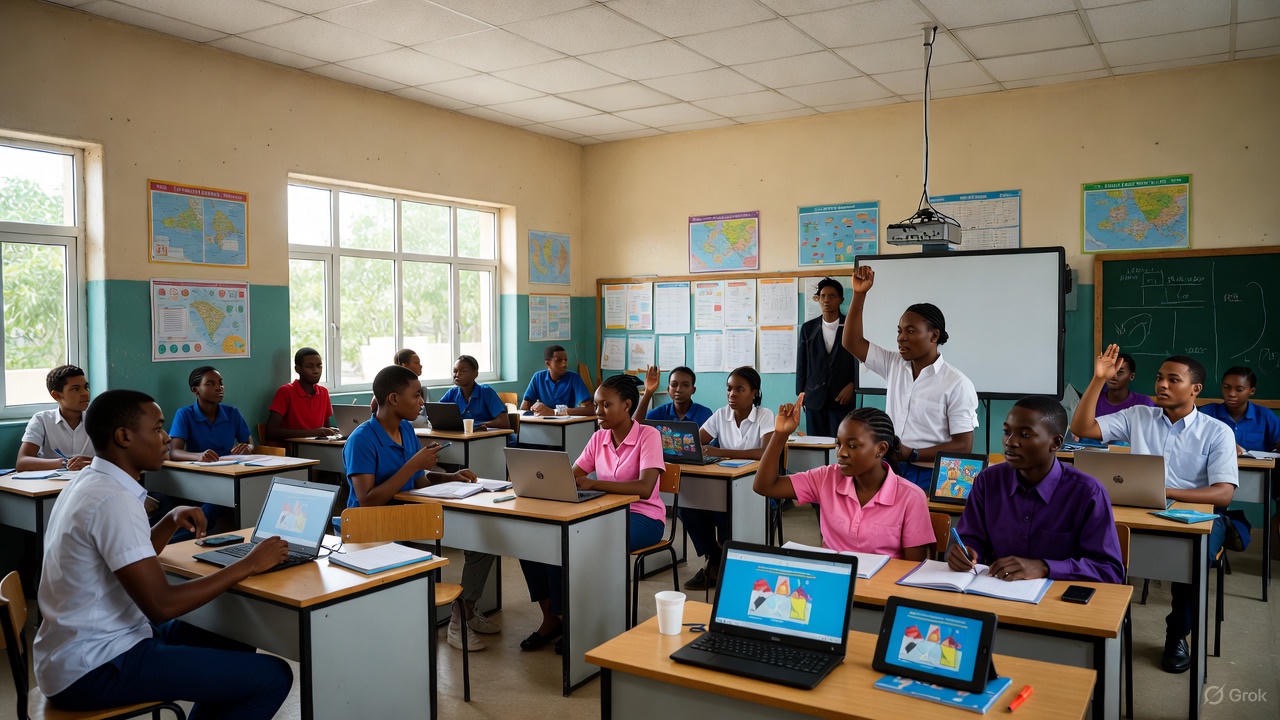
Education represents one of the most promising areas where Starlink internet can create lasting positive change in Senegal. Schools in remote areas can now access online educational resources, digital libraries, and distance learning programs. Teachers can participate in professional development courses, and students can explore subjects beyond their local curriculum through international online platforms.
The economic implications of improved internet connectivity extend across multiple sectors. Healthcare providers can implement telemedicine services, connecting rural clinics with specialists in urban centers through video consultations. Government services can expand their digital offerings, making it easier for citizens to access documentation, apply for permits, and engage with public institutions.
Tourism businesses across Senegal can leverage Starlink internet to enhance guest experiences, manage online bookings, and maintain social media presence to attract international visitors. The creative economy, including artists, musicians, and content creators, can share their work with global audiences and participate in the digital marketplace.
Starlink internet in Senegal delivers download speeds typically ranging from 50 to 200 megabits per second, with latency between 20 to 40 milliseconds. These specifications make the service suitable for demanding applications including video streaming, online gaming, video conferencing, and large file transfers. The low latency of Starlink internet represents a significant improvement over traditional satellite internet services, which often suffer from delays of 600 milliseconds or more.
The SpaceX satellite network continues to expand, with regular launches adding more satellites to the constellation. This ongoing expansion improves service quality, increases capacity, and extends coverage to additional regions. For Senegalese users, this means that service quality should continue improving as the network matures and more satellites come online.
The introduction of Starlink internet in Senegal creates competitive pressure that may drive improvements across the entire telecommunications sector. Traditional internet service providers may respond by upgrading infrastructure, reducing prices, or expanding coverage to compete with the satellite alternative. This competition ultimately benefits consumers through better services and more choices.
As Starlink internet becomes established in Senegal, community organizations and development agencies may explore partnerships to bring connectivity to public spaces like libraries, community centers, and schools. These shared access points can multiply the impact of satellite internet technology by serving multiple users and supporting community development initiatives.
The long-term vision for internet connectivity in Africa includes a combination of technologies, with satellite internet like Starlink complementing fiber optic networks, mobile broadband, and other solutions. Each technology has strengths suited to different environments and use cases, and together they can work toward universal internet access across the continent.
Senegal’s adoption of Starlink internet represents an important step forward in the country’s digital transformation journey.
As more households and businesses gain access to reliable high-speed connectivity, the nation can better participate in the global digital economy, improve educational outcomes, and create opportunities for innovation and entrepreneurship that were previously impossible without consistent internet access.