Burkina Faso Digital Transformation Achieves 91% Success Rate: 370 New Locations Connected as Ministry Targets 7 Million Citizens for Electronic Identification in 2026

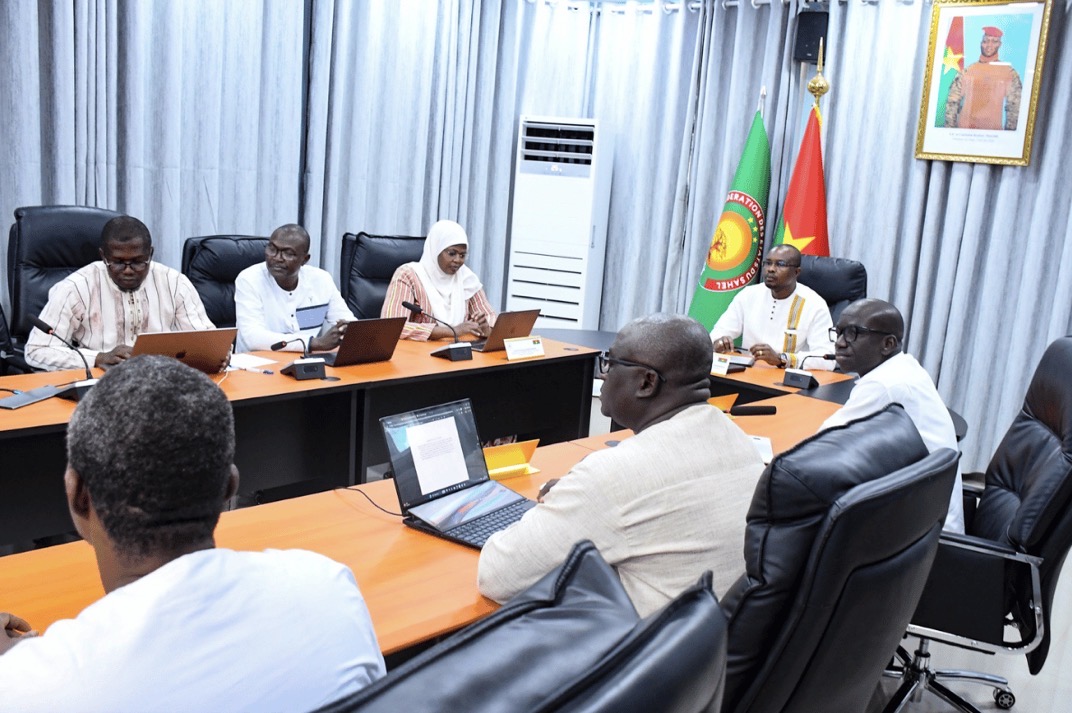
The Ministry of Digital Transition, Postal and Electronic Communications of Burkina Faso has announced remarkable progress in the country’s digital transformation journey, achieving a 91.06% completion rate of its 2025 contract objectives. This exceptional performance was evaluated on February 3, 2026, during a comprehensive review session between Minister Dr. Aminata Zerbo/Sabane and Prime Minister Rimtalba Jean Emmanuel Ouedraogo, who commended the ministry’s accomplishments throughout the year.
Dr. Zerbo/Sabane characterized 2025 as a pivotal year for Burkina Faso digital transformation, emphasizing both the scope of initiatives undertaken and the concrete results delivered. The minister highlighted that the achievements represent a significant milestone in the nation’s journey toward becoming a digitally inclusive and sovereign state, with measurable impacts across connectivity, infrastructure, and citizen services.
One of the most significant achievements in Burkina Faso digital transformation during 2025 was the expansion of telecommunications infrastructure to previously underserved areas. The ministry successfully connected 370 new locations to the telephone network, providing residents in these communities with their first-ever access to telephony and internet services. This connectivity expansion represents a crucial step in reducing the digital divide that has historically separated urban and rural populations in the country.
The new connections enable thousands of citizens to participate in the digital economy, access online educational resources, and stay connected with family members and business opportunities. This achievement aligns with global digital inclusion goals and positions Burkina Faso among African nations making substantial progress in telecommunications infrastructure development. The connectivity initiative also supports improved access to emergency services, healthcare information, and agricultural market data for rural communities.
The completion and inauguration of two modular public administration data centers marked another major milestone in Burkina Faso digital transformation efforts. These state-of-the-art facilities significantly enhance the nation’s capacity for secure data storage and management while advancing the country’s digital sovereignty objectives.
By establishing national data infrastructure, Burkina Faso reduces dependence on foreign data storage solutions and ensures that sensitive government and citizen information remains within national borders.The data centers employ modern security protocols and disaster recovery systems, ensuring the continuity of government operations even during unforeseen circumstances.
This infrastructure development supports the broader digital transformation strategy by providing the technical foundation necessary for expanding e-government services and protecting citizen data privacy. The facilities also create opportunities for training local technology professionals in data center management and cybersecurity.
Administrative modernization through digital platforms represents a core component of Burkina Faso digital transformation strategy. During 2025, the ministry developed or activated 69 new online service platforms, bringing the cumulative total to 272 platforms since the National Digital Summit held in 2023. Of these platforms, 146 are currently operational and actively serving citizens and businesses across the country.
These digital platforms streamline interactions between the government and the population, reducing bureaucratic delays and eliminating the need for physical presence at government offices for many transactions. Citizens can now access various public services from their homes or local community centers, saving time and resources while improving service delivery efficiency. The platforms cover diverse sectors including business registration, tax filing, document requests, and social services applications.
The expansion of digital government services also enhances transparency and accountability in public administration. Digital records and automated processes reduce opportunities for corruption while creating audit trails that facilitate oversight and evaluation. Burkina Faso digital transformation through online platforms positions the country as a regional leader in e-government implementation.
Recognizing that digital transformation must be inclusive to be effective, the ministry prioritized initiatives to assist vulnerable populations in accessing digital services. A landmark structural agreement between La Poste and the State was signed in 2025, establishing a framework for creating 20 “Zama Tchey” Citizen’s Houses over the next five years.
These community centers will provide hands-on assistance to populations who may lack the skills, equipment, or confidence to use government digital services independently.
The Citizen’s Houses focus particularly on elderly citizens, persons with disabilities, rural populations, and others who face barriers to digital access.
Trained staff at these centers help visitors navigate online platforms, complete digital forms, and understand their rights and responsibilities in the digital ecosystem. This human-centered approach ensures that Burkina Faso digital transformation benefits all segments of society rather than creating new forms of exclusion.
The 20th edition of Digital Week was also successfully organized during 2025, serving as a platform for dialogue about responsible artificial intelligence integration across national sectors. The event brought together government officials, technology professionals, civil society representatives, and international partners to discuss best practices and emerging opportunities in digital technology adoption.
Building on the strong foundation established in 2025, the ministry has outlined ambitious priorities for advancing Burkina Faso digital transformation in 2026. The most significant initiative involves launching a unique electronic identification enrollment system with a target of registering 7 million citizens by year’s end. This electronic identification system will serve as the cornerstone for secure digital identity verification, enabling citizens to access government services, conduct financial transactions, and prove their identity online with confidence.
Connectivity expansion remains a priority for 2026, with plans to extend telecommunications infrastructure to 750 additional locations across the country. This represents more than double the number of locations connected in 2025, demonstrating the ministry’s commitment to achieving universal connectivity within a defined timeframe. The expanded network will support economic development in remote areas and enable digital service delivery to previously isolated communities.
The ministry also plans to construct a dedicated public administration network that will enhance security and efficiency of government communications and data exchanges between agencies.This network infrastructure represents a critical investment in Burkina Faso digital transformation by ensuring that government systems operate on secure, reliable connections separate from commercial internet traffic.
Enhancing digital sovereignty through development of national messaging and collaboration tools constitutes another key priority for 2026. By creating locally-developed alternatives to foreign communication platforms, Burkina Faso can ensure data privacy, reduce vulnerability to external service disruptions, and support the growth of the national technology sector.
Dr. Zerbo/Sabane expressed deep appreciation for the dedication demonstrated by all ministry staff and Directors of Information Systems throughout 2025. The minister emphasized that the impressive achievements resulted from collective effort, technical expertise, and unwavering commitment to the vision of a digitally empowered Burkina Faso. Looking ahead, the minister called for increased mobilization across all teams to consolidate the gains achieved and successfully implement the ambitious digital transformation agenda set for 2026.
The 91.06% completion rate of 2025 objectives provides strong momentum as Burkina Faso digital transformation enters its next phase. With clear priorities, proven implementation capacity, and growing digital infrastructure, the country is well-positioned to achieve its vision of becoming a regional digital leader while ensuring that technological advancement benefits all citizens. The commitment to digital sovereignty, inclusive access, and modernized governance demonstrates a comprehensive approach that addresses both technical and social dimensions of digital transformation.
As Burkina Faso continues its digital journey, the achievements of 2025 serve as proof that developing nations can successfully leverage technology to improve governance, expand economic opportunities, and enhance quality of life for their populations.
The upcoming enrollment of 7 million citizens in the electronic identification system and connection of 750 new locations will mark significant milestones in this ongoing transformation, bringing the benefits of digital services to millions of additional citizens across the country.