Morocco Launches E-Gov Wallet Pilot to Modernize Digital Public Services and Strengthen E-Government Infrastructure


Morocco has taken a significant leap forward in its digital transformation journey with the launch of the E-Gov Wallet pilot program, a groundbreaking initiative designed to revolutionize how citizens access government services. On January 12, 2026, the Ministry of Digital Transition and Administrative Reform (MTNRA) signed a landmark agreement with La Marocaine Électronique des E-Services to introduce the E-Gov Wallet solution, marking a pivotal moment in the nation’s commitment to modernizing public administration and enhancing digital governance.
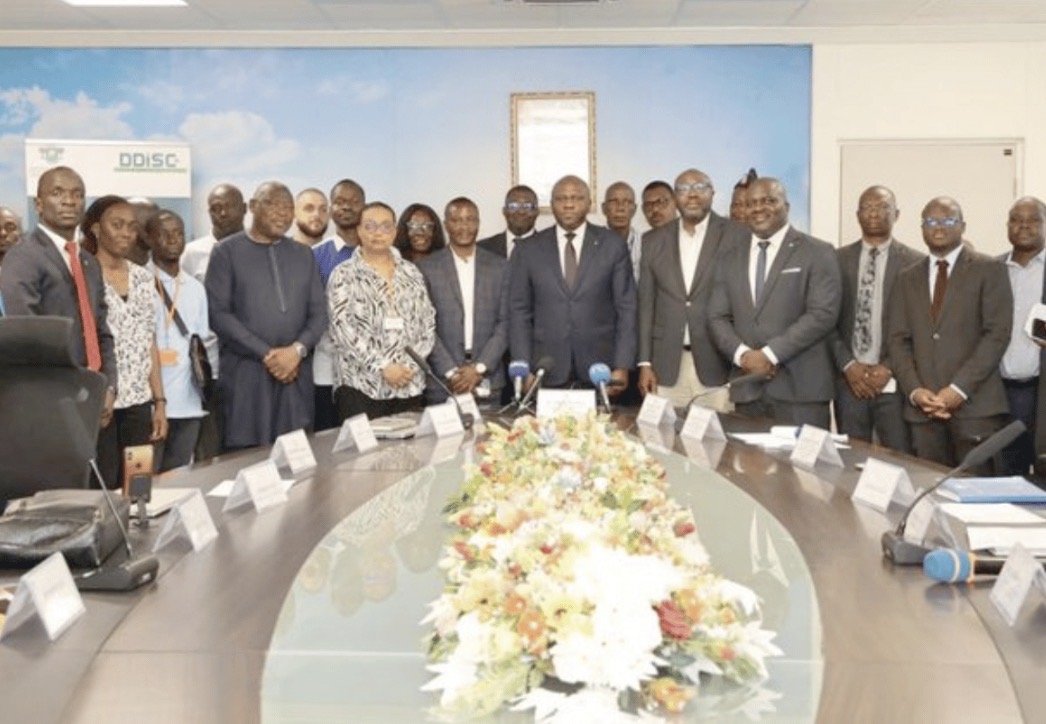
The signing ceremony took place in Rabat during the prestigious national event “AI Made in Morocco,” underscoring the Kingdom’s dedication to digital innovation and technological advancement. This strategic partnership reflects Morocco’s vision to create a more efficient, transparent, and citizen-centric digital ecosystem that empowers individuals and businesses alike through improved access to government services.
The E-Gov Wallet represents a comprehensive digital solution aimed at transforming how Moroccan citizens interact with government institutions. This innovative platform will serve as a centralized hub where users can securely access various public services, manage official documents, and complete administrative procedures without the need for physical visits to government offices.
The pilot phase will be implemented in the Rabat-Salé-Kénitra region, providing authorities with valuable insights into the system’s performance and user experience.
The controlled pilot project has been carefully designed to evaluate multiple critical aspects of the E-Gov Wallet before considering nationwide deployment. Authorities will assess the solution’s technical performance to ensure it can handle the demands of a large user base while maintaining optimal speed and reliability. Security standards will be rigorously tested to protect sensitive citizen data and prevent unauthorized access or cyber threats. Compliance with regulatory requirements will be verified to ensure the platform meets all legal and administrative standards established by Moroccan law.
User adoption rates and feedback will play a crucial role in shaping the future development of the E-Gov Wallet. By gathering real-world data from citizens in the pilot region, the Ministry of Digital Transition and Administrative Reform can identify areas for improvement, address user concerns, and refine the platform’s features to better serve the needs of the Moroccan population.
The E-Gov Wallet initiative forms an integral part of Morocco’s broader strategy to achieve digital sovereignty and establish itself as a regional leader in e-government solutions. Digital sovereignty refers to a nation’s ability to control its digital infrastructure, protect citizen data, and reduce dependence on foreign technology providers. By developing homegrown digital solutions like the E-Gov Wallet, Morocco is strengthening its technological independence and ensuring that critical public services remain under national control.
This phased approach to digital transformation demonstrates the government’s commitment to responsible innovation. Rather than rushing to implement untested solutions nationwide, authorities are taking measured steps to ensure each component of the digital ecosystem is thoroughly vetted and proven effective. This methodology minimizes risks, reduces potential disruptions to public services, and builds citizen confidence in digital platforms.
The broader e-government strategy encompasses multiple objectives beyond the E-Gov Wallet. Moroccan authorities aim to modernize digital public services across all sectors, from healthcare and education to taxation and business registration. By creating seamless digital experiences, the government seeks to reduce bureaucratic delays, eliminate unnecessary paperwork, and make public services more accessible to citizens regardless of their geographic location.
Building and maintaining citizen trust represents one of the most critical challenges in implementing the E-Gov Wallet and similar digital governance initiatives. Many citizens remain skeptical about sharing personal information through digital platforms due to concerns about data privacy, security breaches, and potential misuse of sensitive information. The Ministry of Digital Transition and Administrative Reform has prioritized addressing these concerns through robust security measures and transparent communication about how citizen data will be protected and used.
The E-Gov Wallet will incorporate advanced encryption technologies to safeguard user information during transmission and storage. Multi-factor authentication will provide an additional layer of security, ensuring that only authorized individuals can access their digital wallets. Regular security audits and penetration testing will help identify vulnerabilities before they can be exploited by malicious actors.
Transparency mechanisms will allow citizens to understand exactly what information is collected, how it is used, and who has access to it. Clear privacy policies written in accessible language will empower users to make informed decisions about their digital engagement with government services.
These measures align with international best practices in data protection and digital governance, positioning Morocco as a responsible steward of citizen information.
Quality, Accessibility, and Reliability: Core Principles of Morocco’s Digital Services
The E-Gov Wallet initiative embodies three fundamental principles that guide Morocco’s approach to digital public services: quality, accessibility, and reliability. Quality refers to the standard of service delivery, ensuring that digital interactions are intuitive, efficient, and meet citizen needs effectively. The platform will be designed with user experience as a top priority, featuring clear navigation, helpful guidance, and responsive support systems to assist users who encounter difficulties.
Accessibility ensures that digital services are available to all citizens regardless of their technical expertise, physical abilities, or geographic location. The E-Gov Wallet will be optimized for use on various devices, including smartphones, tablets, and computers, recognizing that citizens access digital services through different means. Language options will accommodate Morocco’s linguistic diversity, and features will be designed to assist users with disabilities in accordance with international accessibility standards.
Reliability guarantees that citizens can depend on digital services to function correctly when needed. System uptime will be maintained at high levels through redundant infrastructure and robust technical support. Regular maintenance schedules will be communicated in advance to minimize disruptions, and backup procedures will ensure that no data is lost even in the event of technical failures.
Morocco’s digital transformation strategy extends far beyond the E-Gov Wallet, encompassing a comprehensive vision for technological advancement across multiple sectors. The Kingdom has made substantial investments in digital infrastructure, including expanding broadband internet access to rural areas, developing data centers, and creating technology parks to foster innovation and entrepreneurship. These foundational investments create the necessary conditions for advanced digital services like the E-Gov Wallet to thrive.
Artificial intelligence and machine learning technologies are being integrated into various aspects of government operations to improve efficiency and decision-making. The “AI Made in Morocco” event where the E-Gov Wallet agreement was signed highlights the nation’s focus on developing indigenous AI capabilities rather than relying solely on imported technologies. This approach supports local tech talent, creates high value jobs, and ensures that AI solutions are tailored to Moroccan contexts and needs.
Public-private partnerships play a vital role in accelerating digital transformation. The collaboration with La Marocaine Électronique des E-Services demonstrates how government entities can leverage private sector expertise, innovation capabilities, and agility while maintaining public oversight and control. Such partnerships enable faster deployment of new technologies while managing costs and sharing risks between public and private stakeholders.
The pilot phase in the Rabat-Salé-Kénitra region will establish important benchmarks for evaluating the E-Gov Wallet’s success and determining the pathway for nationwide implementation. Key performance indicators will track various metrics including user registration rates, transaction volumes, system response times, security incidents, and user satisfaction scores. These data points will provide objective evidence of the platform’s effectiveness and highlight areas requiring improvement.
Citizen feedback mechanisms will complement quantitative metrics with qualitative insights into user experiences, preferences, and pain points. Surveys, focus groups, and user testing sessions will gather detailed information about how citizens interact with the E-Gov Wallet and what features they find most valuable. This feedback loop ensures that the platform evolves in response to actual user needs rather than assumptions about what citizens want.
Based on pilot results, authorities will develop a phased rollout plan for expanding the E-Gov Wallet to other regions of Morocco.
This expansion strategy will consider regional variations in digital literacy, internet access, and demographic characteristics to ensure that implementation approaches are appropriately tailored to local contexts. Training programs and awareness campaigns will prepare citizens in new regions for the transition to digital services, reducing barriers to adoption and maximizing the benefits of the E-Gov Wallet.
The E-Gov Wallet initiative represents more than just a technological upgrade to public services. It embodies Morocco’s vision for a modern, efficient, and citizen centered government that leverages digital innovation to improve quality of life, promote economic development, and strengthen national competitiveness in an increasingly digital global economy. As the pilot program progresses, Morocco is positioning itself as a model for digital transformation in the region and beyond.