
The International Monetary Fund has urged Nigeria to consider additional tax measures as part of efforts to improve government revenue generation and support long-term development priorities.
In its 2026 Article IV Consultation report, the Fund noted that while Nigeria has made progress through recent tax reforms, current revenue levels remain insufficient to adequately finance planned investments in infrastructure and critical public services. The IMF argued that stronger domestic revenue mobilisation will be necessary to strengthen the country’s fiscal position in the years ahead.
Among the recommendations outlined in the report were proposals to broaden the tax base by extending value-added tax coverage to petroleum products, reviewing existing tax exemptions, and introducing excise duties on telecommunications services. The institution also highlighted the importance of strengthening tax administration through improved digital systems, although it noted that efficiency gains alone would not fully address the country’s financing needs.
At the same time, the IMF acknowledged the economic realities facing millions of Nigerians. With elevated poverty rates and widespread food insecurity, the organisation stressed that any future tax adjustments should be implemented gradually and accompanied by effective social support mechanisms. It is recommended that targeted cash transfer programmes be adequately funded to protect vulnerable households from the potential impact of new fiscal measures.
The proposals have generated mixed reactions within Nigeria. Stakeholders in the telecommunications industry have repeatedly opposed similar initiatives, arguing that additional taxes could increase service costs for consumers and undermine efforts to expand digital inclusion. Consumer advocacy groups have also warned that higher charges on telecom services may widen affordability gaps for lower-income users.
Concerns have similarly emerged around the possibility of additional taxes linked to fuel. Labour organisations and private sector groups have cautioned that further increases in energy-related costs could intensify inflationary pressures and place additional strain on household budgets already affected by rising living expenses.
Despite these challenges, the IMF maintained that Nigeria’s overall debt profile remains manageable, although it classified the country as facing a moderate risk of debt distress. The report observed that debt servicing continues to absorb a significant portion of government earnings, limiting fiscal flexibility and reinforcing the need for stronger revenue generation and improved transparency in public finances.
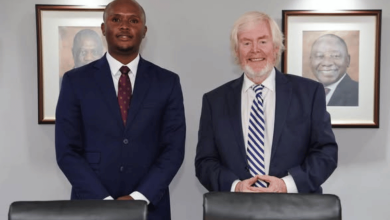
According to Christian Ebeke, Nigeria’s debt to GDP ratio remains relatively modest compared with many of its peers. However, he noted that the sizeable share of revenue devoted to interest payments underscores the urgency of expanding the government’s revenue base to create room for sustainable economic growth and development.