Airtel Malawi Discusses Network Quality Improvement with ICT Minister Dr Namalomba Amid Infrastructure Challenges


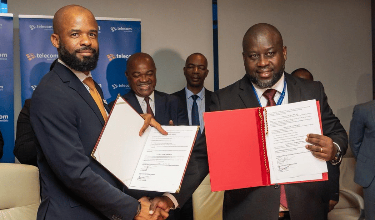
Airtel Malawi recently welcomed the Minister of Information and Communications Technology, Dr. Shadreck Namalomba, MP, to its Head Office in Lilongwe on 22nd January 2026. The high level meeting focused on discussing the quality of Airtel Malawi services and addressing critical challenges affecting telecommunications infrastructure across the country.
During the ministerial visit, Abdul Shaik, Acting Managing Director and Director of Finance at Airtel Malawi, outlined the company’s strategic initiatives aimed at improving network performance and expanding coverage to underserved areas. The telecommunications provider remains committed to delivering reliable connectivity to customers throughout Malawi despite facing significant operational challenges.
The discussion centered on how Airtel Malawi can continue to enhance service delivery while navigating external factors that impact network quality. Shaik emphasized the company’s dedication to investing in infrastructure development and implementing modern solutions to meet growing customer demands.
Airtel Malawi identified several critical challenges that have been affecting the consistency and reliability of telecommunications services across the nation. One of the primary obstacles is the ongoing forex constraints that significantly delay the importation of essential network equipment. These foreign exchange limitations have created bottlenecks in the procurement process, preventing timely upgrades and maintenance of telecommunications infrastructure.
Additionally, Airtel Malawi has been grappling with frequent fiber cuts caused by two main factors. Vandalism of communications infrastructure has emerged as a persistent problem, with individuals deliberately damaging fiber optic cables and related equipment. Furthermore, ongoing road construction projects have inadvertently resulted in damage to underground telecommunications infrastructure, causing service interruptions in various parts of the country.
These challenges have made it increasingly difficult for Airtel Malawi to maintain consistent service quality, particularly in areas where infrastructure is already limited or aging.
In a forward looking initiative, Airtel Malawi revealed plans to introduce Starlink Satellite Direct to Cell services in partnership with advanced satellite technology providers. This innovative solution is designed to address coverage gaps in rural and underserved areas where traditional telecommunications infrastructure is difficult or costly to deploy.
The Starlink DTC services would provide an additional layer of network resilience for Airtel Malawi customers, ensuring service continuity even during network outages or infrastructure failures. However, the rollout of these services is currently pending feedback and authorization from the Malawi Communications Regulatory Authority, known as MACRA. Shaik expressed optimism that once approved, the satellite-based technology would significantly improve connectivity in remote regions and serve as a backup solution during emergency situations or infrastructure disruptions.
Minister Dr. Namalomba responded positively to the concerns raised by Airtel Malawi leadership during the meeting. He pledged government support in facilitating improved access to foreign exchange for telecommunications companies, recognizing that timely equipment procurement is essential for maintaining and upgrading network infrastructure.
The ICT Minister also committed to engaging directly with MACRA regarding the authorization process for the Starlink DTC services. This intervention could accelerate the approval timeline and enable Airtel Malawi to deploy satellite based connectivity solutions sooner than anticipated.
Furthermore, Dr. Namalomba made a strong public appeal to Malawian citizens to refrain from vandalizing communications infrastructure. He emphasized that such destructive actions have far-reaching negative consequences, not only affecting Airtel Malawi network quality but also hindering economic development and limiting access to essential communication services for communities across the nation.
Despite the operational challenges, Airtel Malawi remains steadfast in its commitment to network expansion and modernization. The company continues to invest substantial resources in deploying new cell sites across the country, particularly targeting areas with limited or no coverage.
In high traffic urban areas, Airtel Malawi is expanding network capacity to accommodate the growing number of subscribers and increasing data consumption patterns. These capacity enhancement projects ensure that customers experience faster speeds and more reliable connectivity during peak usage periods.
The telecommunications provider is also implementing comprehensive network modernization initiatives that involve upgrading existing infrastructure with the latest technology. These modernization efforts are designed to improve overall network efficiency, reduce latency, and provide customers with access to advanced telecommunications services.
Throughout the ministerial engagement, Airtel Malawi leadership emphasized that customer satisfaction remains at the core of all company initiatives. The telecommunications provider recognizes that Malawians depend on reliable connectivity for personal communication, business operations, education, healthcare, and emergency services.
The company expressed gratitude to Minister Dr. Namalomba for his constructive guidance and ongoing support for the telecommunications sector. Airtel Malawi reaffirmed its commitment to working collaboratively with government agencies, regulatory authorities, and stakeholders to overcome current challenges and deliver an improved customer experience for all Malawians.
As Airtel Malawi continues to navigate the complex telecommunications landscape in Malawi, the company remains focused on innovation, infrastructure development, and service quality enhancement. The partnership between the private telecommunications sector and government institutions will be crucial in ensuring that all Malawians have access to affordable, reliable, and modern communication services regardless of their geographic location.