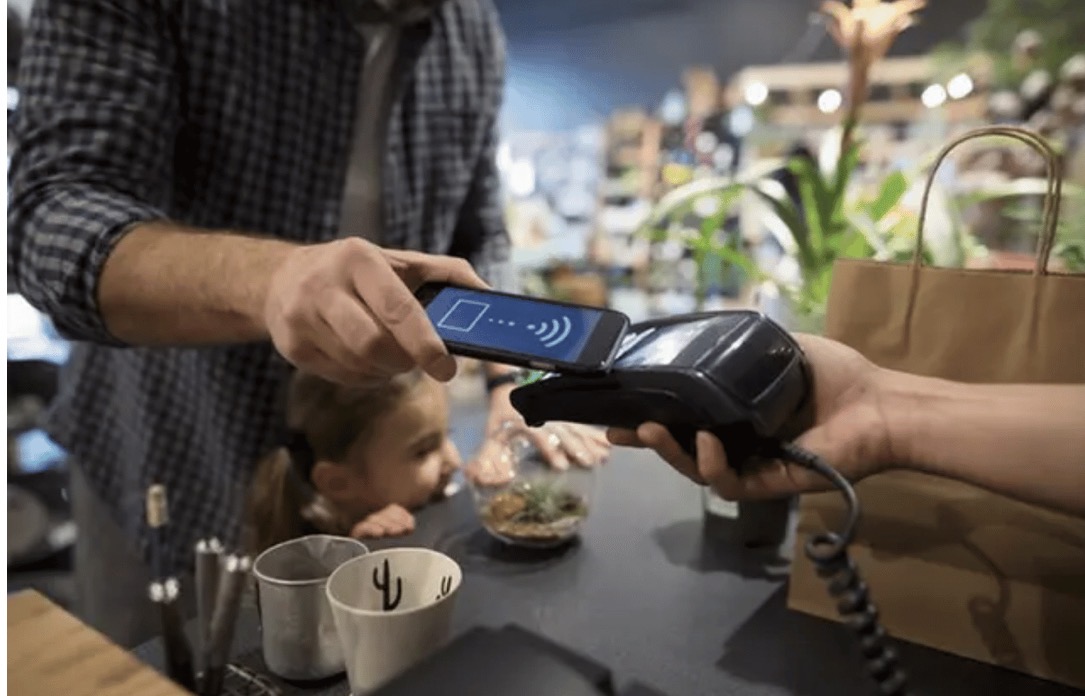
Digital payments in Saudi Arabia are fundamentally transforming the way consumers conduct their financial transactions, with a significant majority now choosing electronic payment methods over traditional cash. The evolution toward a cashless society is accelerating as more people discover the benefits of secure, convenient, and instant payment solutions that align with modern lifestyles and the Kingdom’s ambitious economic transformation goals.
According to the latest findings from Visa’s third edition of the “Where Cash Hides” report, an impressive 67% of Saudi consumers now identify as largely non-cash users, relying predominantly on payment cards or mobile devices for the majority of their purchases and transactions. This substantial figure represents a 4% increase compared to the previous year’s data, clearly demonstrating a measurable and consistent shift away from physical currency toward digital payments in Saudi Arabia.
The traditional reliance on physical currency is steadily diminishing across various everyday purchase categories in the Kingdom. Current data reveals that nearly one in four consumers still uses cash for daily spending, but this proportion continues to decrease as digital payments become more accessible and widely accepted. Categories that have historically depended heavily on cash transactions are experiencing particularly notable reductions in cash usage.
Eating out at restaurants and cafes has seen a 9% decline in cash payments, while bill payments have decreased by 8% in cash usage. For routine transactions such as dining experiences, utility bill settlements, and in-store grocery shopping, consumers are increasingly turning to digital payments including payment cards and mobile payment applications as their preferred methods. This trend reflects growing confidence in electronic payment infrastructure and the convenience that digital payments offer for managing regular expenses.
Despite the impressive growth of digital payments in Saudi Arabia, cash usage remains most prevalent in peer-to-peer transactions and informal payment scenarios. Tips continue to be paid in cash by 39% of consumers, representing the highest category of cash usage in the Kingdom. Personal transfers to family members and friends account for 28% of cash transactions, while property rent payments still see 14% cash usage.
These cash heavy areas represent significant opportunities for continued digital adoption and highlight the remaining challenges in achieving a fully cashless economy. Financial technology companies and payment providers are increasingly developing solutions specifically designed to address these peer-to-peer payment scenarios, making it easier for consumers to transition even these traditional cash transactions to digital payments.
Vision 2030 Drives Digital Payment Innovation
The remarkable progress in digital payments adoption reflects coordinated efforts among multiple stakeholders in Saudi Arabia’s financial ecosystem. Ali Bailoun, Visa’s Senior Vice President and Group Country Manager for Saudi Arabia, Bahrain, and Oman, emphasized that this transformation results from collaborative initiatives between banks, financial technology companies, merchants, and technology partners, all working in alignment with the Kingdom’s Vision 2030 strategic framework.
As consumers gain more experience with mobile and card based digital payments, their expectations evolve toward payment options that deliver speed, convenience, and security. This natural progression drives further digital adoption as satisfaction with electronic payment methods increases. The government’s commitment to building robust digital infrastructure and encouraging cashless transactions has created an enabling environment for this transformation to accelerate.
Digital payments offer numerous significant advantages over traditional cash transactions that appeal to modern consumers in Saudi Arabia. Debit cards and credit cards provide enhanced security features that protect consumers from the risks associated with carrying large amounts of physical money. The convenience factor cannot be overstated, as payment cards enable seamless transactions both online and in physical stores without the need to withdraw cash or carry exact change.