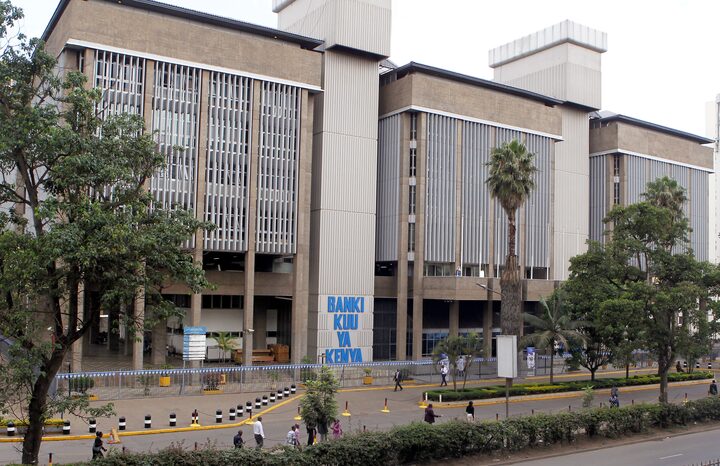

A recent cybersecurity report from Kaspersky, revealed at GITEX Africa 2025, shows Morocco has become one of the most targeted nations in Africa for web-based threats. In 2024, Morocco saw about 12.6 million web-threat attempts, making it third among African countries — after Kenya (~20 million) and South Africa (~17 million).
Across Africa, over 131.5 million web threats were detected in 2024, marking a 1.2% increase compared to 2023. On-device threats also rose, including threats spread via external storage devices and encrypted installers. Morocco featured among the countries with noticeable growth in device-based malware as well.
A particularly worrying finding is the increase in spyware and password-stealing malware. Across Africa, spyware attacks on businesses rose by about 14%, while password-stealer detections jumped 26%, with Morocco among the worst affected.
Kaspersky attributes these trends to rapid digital transformation that hasn’t always been paired with adequate cybersecurity investment or awareness. Practices like hybrid working, use of outdated software, weak security hygiene among users, and exposure through removable media are cited as key risk factors.
In response, the report recommends robust countermeasures: keeping systems updated, avoiding exposing remote desktop or other remote services publicly, improving digital literacy, adopting enterprise-level endpoint detection and response (EDR), and using two-factor authentication.
For Morocco, this puts pressure on both public and private sectors. As the country continues to digitalize its economy, protect its infrastructure, and offer more online services, ensuring cybersecurity becomes essential — not optional.