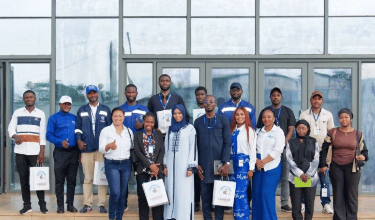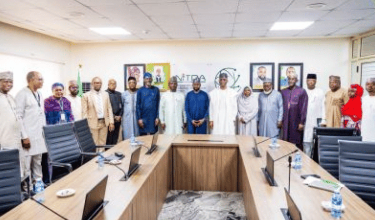
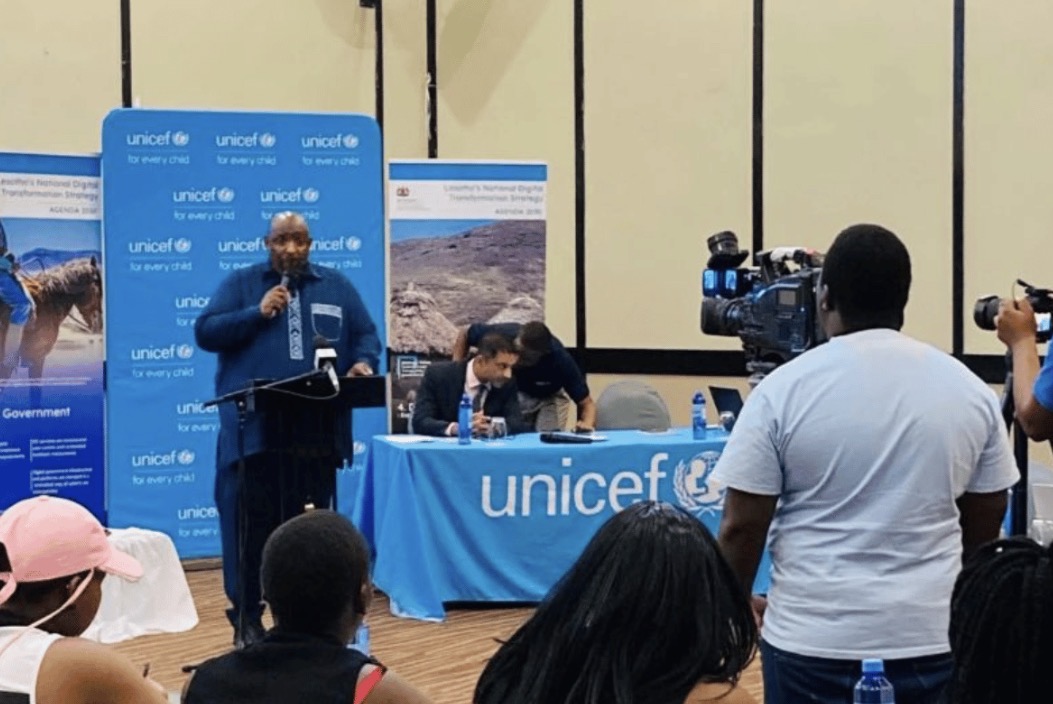
Child-Safe Digital Transformation is gaining momentum in Lesotho following a high-level workshop organized by UNICEF in partnership with the government. The event, held on Wednesday at the Avani Lesotho Hotel & Casino, brought together key stakeholders to discuss how digital systems can better serve children while prioritizing their safety and inclusion.
The workshop focused on building efficient, secure, and inclusive digital public infrastructure that supports essential child focused services. Participants examined practical ways to integrate digital tools into birth registration, education, healthcare, and social protection programs.
Child-Safe Digital Transformation requires careful planning from the early stages of system design. Discussions at the workshop highlighted the need to embed safety, equity, and accessibility into national digital infrastructure. This approach ensures that vulnerable groups are not left behind and that children’s data receives strong protection throughout their development.
Representing the Ministry of Information, Communication, Science, Technology and Innovation, Kanono Ramashamole shared the government’s vision for a digitally inclusive Lesotho. He outlined plans for interconnected platforms that link key public services seamlessly.
According to Ramashamole, integrating systems such as birth registration, education, and healthcare will enhance planning and improve service delivery. This integration enables more effective, data-driven decision-making that directly benefits children’s welfare across the country.
He further stressed the importance of early-stage integration. By connecting these systems from the beginning, Lesotho can provide seamless access to essential services at every stage of a child’s life, from birth through education and into adulthood.
Child-Safe Digital Transformation also involves creating digital highways that promote innovation while safeguarding rights. Stakeholders explored how interoperable databases can coordinate identity, health, and education records more efficiently. Such coordination helps government institutions anticipate needs, such as using health records of expectant mothers to prepare early birth registration processes.
The workshop emphasized that true progress in digital transformation depends on placing children at the center. By designing systems that are both innovative and protective, Lesotho aims to achieve long-term development goals that leave no child behind.