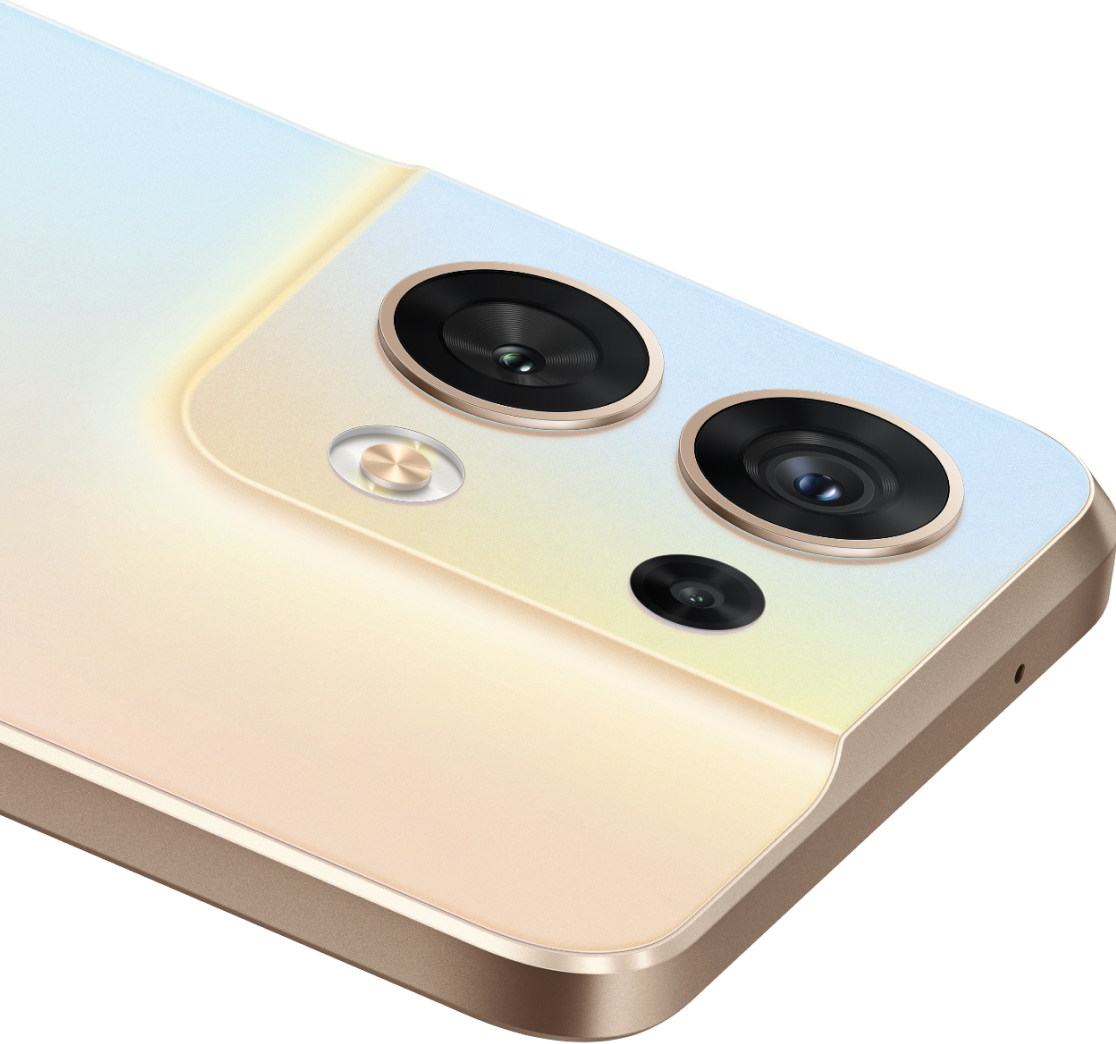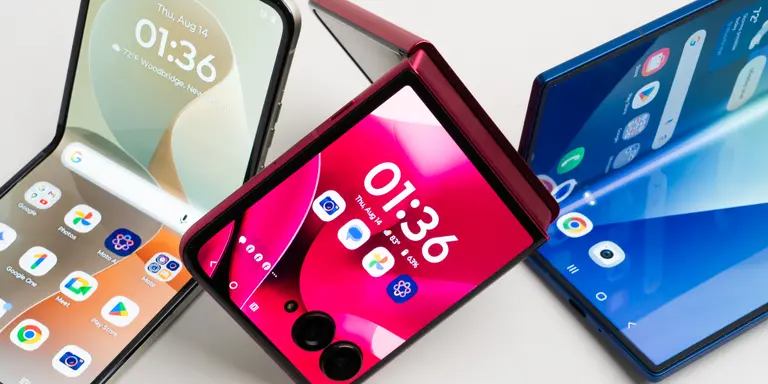

West Africa is experiencing a notable shift in mobile tech demand: 5G-enabled smartphones are becoming increasingly accessible and coveted, even among middle-income users. As 5G infrastructure slowly expands and pricing pressures ease, manufacturers and telecom operators are pushing budget-friendly devices into the market.
In Q2 2025, Africa’s smartphone shipments grew by about 7% year-on-year, largely driven by demand for ultra-low-cost 5G phones under US$100. Brands like TECNO, itel, and Transsion have rolled out multiple models targeting first-time buyers and users upgrading from basic 3G/4G devices. These devices offer essential 5G connectivity without extra frills, meeting a growing consumer need.
Nigeria, one of the largest markets in West Africa, is seeing increased smartphone adoption with more manufacturers targeting affordable 5G phones. Telecom operators in the country are also facilitating financing and installment plans to reduce the entry barrier. Still, cost remains a concern: even the “cheapest” 5G phones tend to hover around US$300 in many areas, which for many consumers is still steep.
Beyond price, infrastructure is another limiting factor. 5G coverage is concentrated in major cities such as Lagos, Abuja, Accra, and Dakar. Rural communities continue to lean on 3G and 4G services, leaving a notable digital divide. But as coverage expands and economies of scale kick in, prices are expected to drop further.
For consumers and tech watchers in West Africa, this is a promising moment. Access to affordable 5G devices means faster internet speeds, better streaming and gaming experiences, and improved access to services that require low latency. It’s a step towards greater digital inclusion, and the momentum suggests this shift is just beginning.