Physical Address
4 Elgon Terrace, Kololo, Kampala, Uganda
Physical Address
4 Elgon Terrace, Kololo, Kampala, Uganda
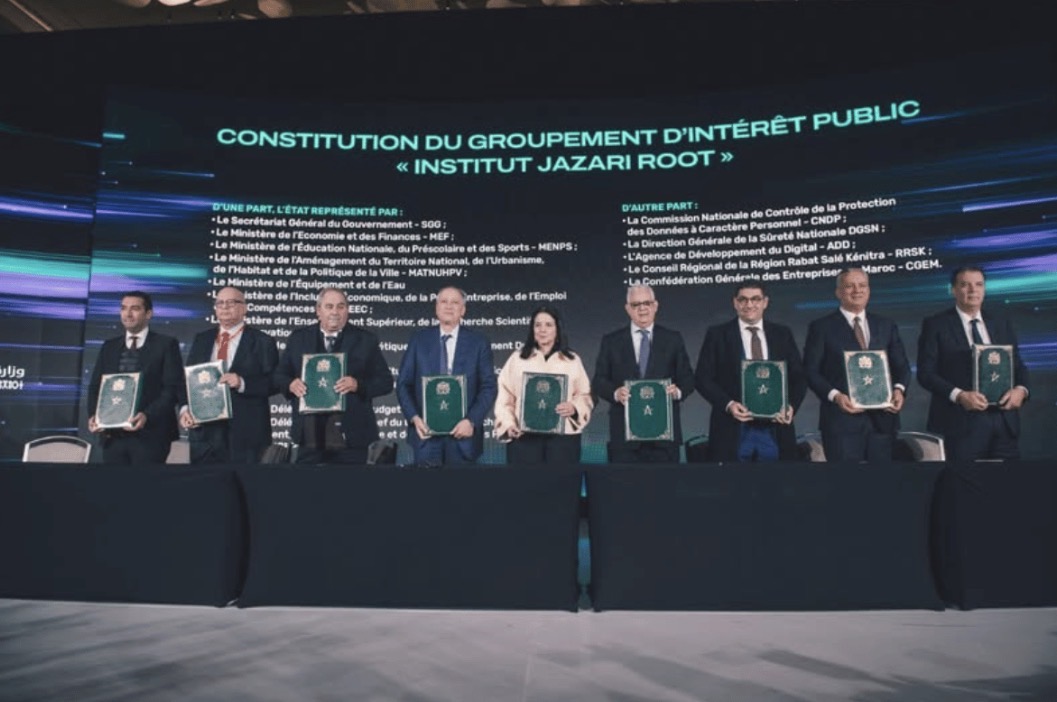
Morocco has taken a major step toward strengthening its artificial intelligence ecosystem with the signing of an agreement to establish the JAZARI ROOT Institute, a public benefit entity designed to serve as the central hub of the national JAZARI Network for artificial intelligence.
This landmark initiative marks a significant milestone in the country’s journey toward technological sovereignty and positions Morocco as an emerging leader in artificial intelligence development across the African continent and the broader Middle East and North Africa region.
The agreement was signed on Monday during the AI Made in Morocco National Meeting, organized by the Ministry of Digital Transition and Administration Reform. The JAZARI ROOT Institute will act as the core reference platform for coordinating national efforts in artificial intelligence, pooling research and technological capabilities, and aligning innovation with the operational needs of public administration and territorial authorities.
This centralized coordination mechanism is expected to eliminate fragmentation in artificial intelligence research and development while creating synergies between various stakeholders working on artificial intelligence projects throughout Morocco.
As the backbone of the JAZARI Network, the institute is intended to bridge scientific research, technological innovation, and real world applications across state administrations, public institutions, and local governments.
The artificial intelligence hub will facilitate knowledge transfer between academic institutions and government agencies, ensuring that cutting edge research translates into practical solutions that address pressing challenges in public service delivery. It will also ensure strategic coherence, capacity sharing, and national level coordination in the development and deployment of artificial intelligence solutions across all sectors of Moroccan society.
The broader JAZARI Network will be anchored by institutes established across all twelve regions of the Kingdom, with the aim of bringing artificial intelligence closer to territorial realities and ensuring balanced regional integration of artificial intelligence technologies. This decentralized approach is expected to accelerate the adoption of artificial intelligence in public services and local development initiatives while preventing the concentration of technological capabilities exclusively in major urban centers.
By establishing regional artificial intelligence centers, Morocco aims to democratize access to advanced technologies and ensure that communities throughout the country can benefit from innovations in artificial intelligence regardless of their geographic location.
Each regional institute within the JAZARI Network will be tailored to address the specific needs and opportunities of its territory, allowing for customized artificial intelligence applications that reflect local economic priorities, cultural contexts, and development challenges. This territorial approach to artificial intelligence deployment recognizes that effective technology adoption requires solutions that are contextually relevant and responsive to the unique characteristics of different regions within Morocco.
The initiative forms part of Morocco’s ambition to build sovereign artificial intelligence capabilities, strengthen national skills, and modernize public administration. It aligns with the objectives of the Digital Morocco 2030 strategy, which prioritizes digital transformation, innovation, and technological sovereignty as key pillars of national development.
By investing in homegrown artificial intelligence expertise and infrastructure, Morocco seeks to reduce dependency on foreign technology providers while creating economic opportunities through the development of a robust domestic artificial intelligence industry.
The establishment of the JAZARI ROOT Institute also reflects Morocco’s commitment to developing its human capital in artificial intelligence and related technologies. The institute will play a crucial role in training the next generation of artificial intelligence professionals, data scientists, and digital transformation specialists who will drive innovation across public and private sectors.
This focus on skills development is essential for ensuring that Morocco can sustain its artificial intelligence ambitions over the long term and compete effectively in the global technology landscape.
The founding agreement brings together twelve ministerial departments, alongside five strategic actors representing the digital sector, territorial development, and the private sector, underscoring a whole of government and multi stakeholder approach to artificial intelligence governance and innovation in Morocco. This collaborative framework ensures that artificial intelligence development in Morocco will benefit from diverse perspectives and expertise while maintaining alignment with national priorities and values.
The involvement of private sector partners is particularly significant as it creates pathways for commercialization of artificial intelligence innovations and ensures that research efforts remain connected to market realities and business opportunities.
The JAZARI ROOT Institute represents more than just a technological initiative. It embodies Morocco’s vision of leveraging artificial intelligence as a catalyst for comprehensive modernization of government services, economic diversification, and improved quality of life for citizens.
As the institute begins its operations, it will focus on establishing governance frameworks, developing ethical guidelines for artificial intelligence deployment, and creating standardized approaches to artificial intelligence implementation across government agencies.
These foundational elements will be critical for ensuring that Morocco’s artificial intelligence ecosystem develops in a responsible, inclusive, and sustainable manner that reflects the country’s values and development priorities while positioning it as a regional leader in technological innovation.